

The Role of Cognitive Biases in Gambling
Cognitive biases significantly influence the decisions players make in casino games. By understanding these biases, players can gain insight into their own behavior and improve their strategic approaches. For instance, the illusion of control often leads players to believe they can influence random outcomes, such as those in slot machines or roulette. This belief may prompt gamblers to adopt strategies that have little or no actual impact on the game but provide a false sense of empowerment. Many individuals looking for information may turn to resources such as non gamstop casino options, which offer valuable insights.
Moreover, confirmation bias can skew players’ perceptions of their successes and failures. Gamblers may remember a win that occurs following a specific bet while ignoring subsequent losses. This selective memory can perpetuate poor strategies, as players cling to the belief that certain approaches or betting systems lead to success, even when statistical evidence suggests otherwise.
The Emotion of Risk and Reward
The thrill of gambling is deeply intertwined with the emotional responses triggered by risk and reward. When players engage in casino games, their brains release dopamine, creating a sense of pleasure that can become addictive. This neurological reaction can lead to impulsive decisions, as players chase losses or seek to replicate the excitement of a recent win, often disregarding sound strategies or budgetary limitations.
This emotional rollercoaster can also make it challenging for players to recognize when it is time to stop. The highs of winning can overshadow the reality of potential losses, leading to an escalation of risk-taking behavior that can be detrimental in the long run. Understanding the psychological impact of these emotions can help players develop healthier gambling habits and more effective strategies.
The Influence of Social Dynamics
The social environment surrounding gambling can significantly affect a player’s strategy. Whether in a bustling casino or an online platform, the presence of others can amplify emotions, heightening both the thrill of winning and the despair of losing. Social pressures and norms can influence players’ decisions, leading them to adopt strategies commonly endorsed by their peers or to engage in competitive behaviors that they might avoid alone.
Additionally, the concept of «social proof» plays a role in shaping strategies. Players might observe others winning and feel compelled to emulate their actions, even if those strategies are statistically flawed. The dynamics of shared experiences in gambling settings often blur the line between intuitive and rational decision-making, making it crucial for players to remain mindful of their unique strategies and objectives.
Rational Decision-Making versus Emotional Responses
While many players approach casino games with rational strategies, emotional responses can often dictate the final outcome. The dichotomy between analytical thinking and emotional reactions is at the core of gambling behavior. Rational decision-making involves analyzing the odds and probabilities associated with various games, allowing players to develop strategies that minimize risk and maximize potential gains.
However, when players allow emotions to take control, they may deviate from these well-thought-out strategies. The excitement of a winning streak can lead to overconfidence, while the anxiety of losing might prompt reckless betting. Understanding the interplay between rationality and emotion can help players strike a balance, ensuring they remain aware of both the psychological and statistical aspects of their gambling strategy.
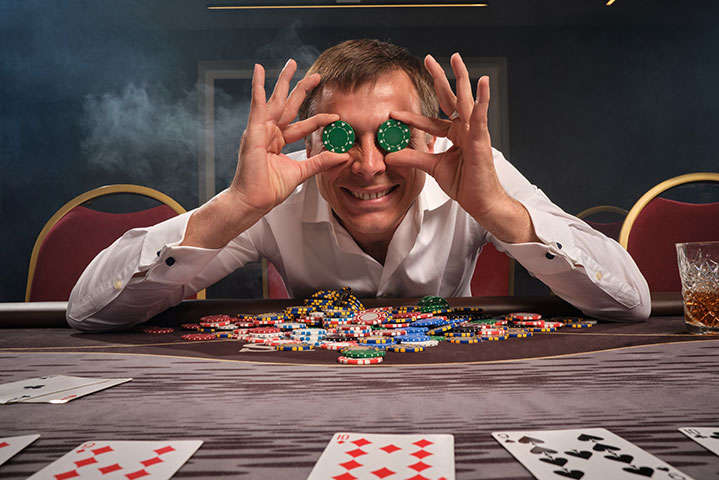
Resources for Responsible Gambling
As players navigate the complex psychology behind casino game strategies, it is essential to have access to trustworthy resources that support responsible gambling. Websites like Mesaonline.org provide a wealth of information about gambling behavior, strategies, and mental well-being. Such platforms aim to equip players with the knowledge they need to make informed decisions and maintain control over their gambling activities.
Encouraging a balance between enjoyment and responsibility can lead to a more positive gambling experience. By leveraging information from reliable sources, players can enhance their understanding of the psychological facets of gambling, adapt their strategies accordingly, and ultimately foster a healthier relationship with gambling as a whole.